
The Thrill of Risk
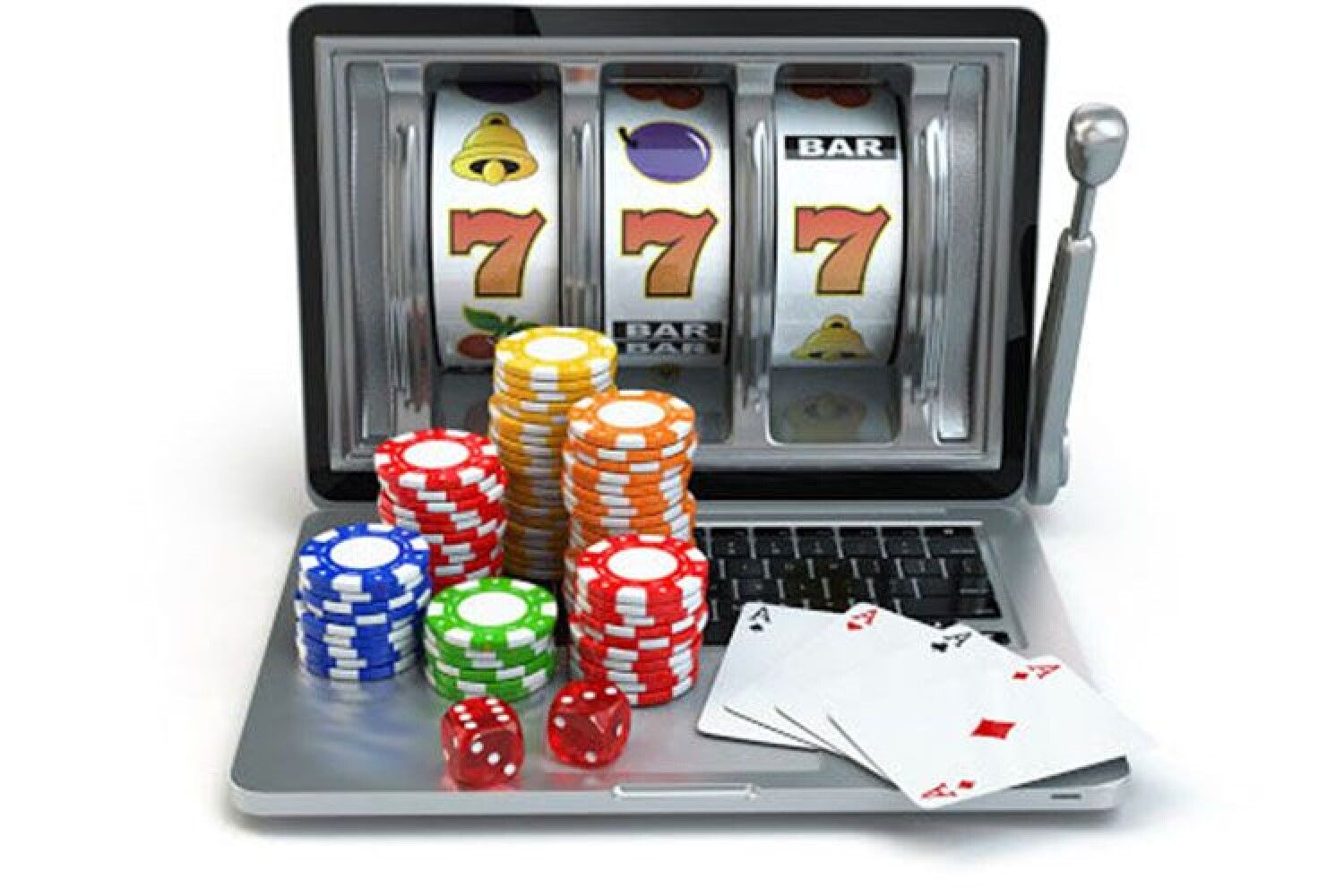
The allure of high-stakes betting in casinos is intricately tied to the thrill of risk. For many gamblers, the adrenaline rush that accompanies the potential for significant financial gain is incomparable. This rush is fueled by dopamine, a neurotransmitter released during moments of excitement and anticipation. When players engage in high-stakes betting, they often experience intense emotional highs as they weigh their options and make crucial decisions, further driving their desire to bet more. Many are drawn to platforms like online casino ontario, where they can experience this thrill firsthand.

Additionally, the psychology of risk-taking can be linked to the concept of loss aversion. Gamblers are often more motivated to avoid losing money than to gain it. This can lead to impulsive betting behaviors, where the fear of missing out or losing becomes a powerful motivator, pushing players to wager larger sums in hopes of recouping losses or achieving a sizable win.
The Role of Cognitive Bias
Cognitive biases play a significant role in the decisions made by high-stakes gamblers. One common bias is the gambler’s fallacy, which is the mistaken belief that past events influence future outcomes in random processes. This fallacy can lead players to make irrational decisions, such as increasing their bets after a losing streak, believing that a win is “due.” Understanding these biases is crucial for recognizing how they impact betting behavior and, ultimately, the success or failure of a gambler.
Another prevalent cognitive bias in gambling is overconfidence. Many high-stakes players believe they have superior skills or strategies, which can lead them to make larger bets than they can afford. This overestimation of one’s abilities often results in significant financial losses, highlighting the need for awareness and critical thinking in gambling scenarios.
The Social Dynamics of Gambling
The social environment surrounding high-stakes betting shares an essential influence on a gambler’s behavior. The ambiance of a casino, buzzing with excitement and camaraderie, can heighten emotions and prompt greater risk-taking. Players often feed off each other’s energy, creating an atmosphere where high bets seem more appealing. This collective excitement can sometimes lead to poor decision-making, as individuals feel pressure to conform to group behaviors.
Moreover, the presence of others can exacerbate feelings of competition and status among gamblers. High-stakes betting can become a means of demonstrating strength or financial prowess, where individuals view their bets as not just a financial investment but a statement of identity. This psychological drive can lead to larger bets as individuals seek validation and recognition within the gambling community.
Emotional Regulation and Gambling
Emotions play a critical role in the gambling experience, affecting how players behave and make decisions. High-stakes gamblers often experience heightened emotions, both positive and negative, which can influence their betting patterns. Winning can lead to euphoria, while losing can trigger feelings of frustration or despair. The challenge lies in managing these emotions effectively, as unchecked emotional responses can lead to reckless betting choices.
Understanding the impact of emotional regulation is essential for any gambler. Those who develop the ability to stay calm and composed are more likely to make rational decisions, balancing their emotional highs with critical thinking. Techniques such as mindfulness and stress management can enhance a gambler’s ability to navigate the psychological landscape of high-stakes betting, potentially leading to more favorable outcomes.
Join the Cultural Dialogue
Exploring the psychology behind high-stakes casino bets reveals not only the intricacies of risk and decision-making but also the cultural narratives that shape our understanding of gambling. As we learn more about the motivations and behaviors of gamblers, we can foster a deeper appreciation of the psychological forces at play.
By engaging with communities focused on gambling insights and responsible gaming practices, we can bridge connections that enrich the dialogue around this intriguing subject. The exploration of such psychological aspects creates opportunities for cultural exchange and collaboration, ultimately leading to a more informed and balanced perspective on gambling and its impact on society.