
The psychology behind risk-taking in gambling decisions
The allure of gambling and risk-taking behavior
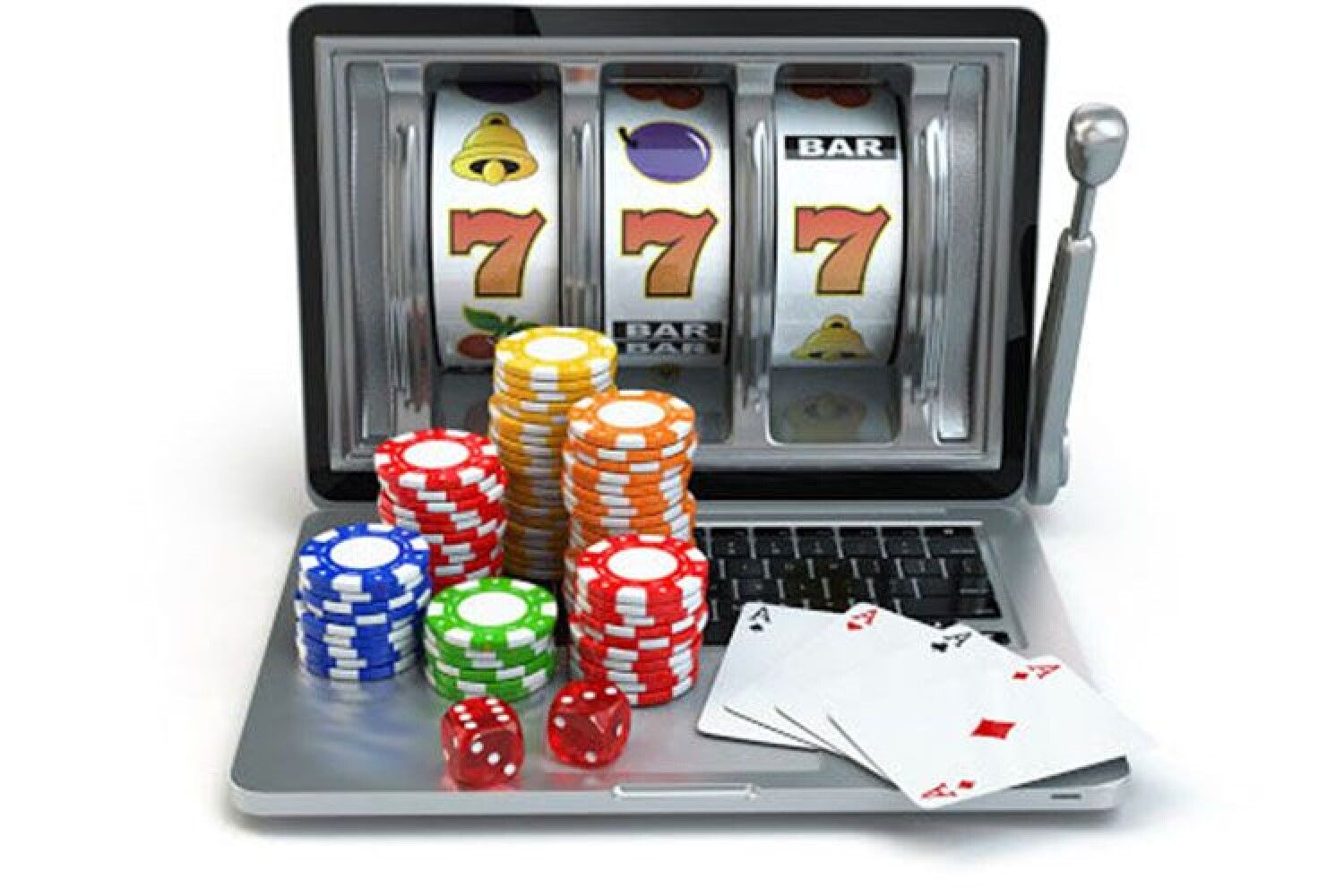
Gambling has long captivated individuals, driven by the thrill of risk and the potential for reward. The allure of risking money for a chance to win big is deeply rooted in human psychology. This behavior stems from an inherent desire for excitement and the adrenaline rush associated with uncertain outcomes. Many gamblers experience heightened emotional states during gameplay, which can lead to impulsive decisions and a skewed perception of risk. Engaging in various games might entice players to explore slots for real money as another avenue for entertainment and thrill.

The excitement of gambling can create a cycle where the brain releases dopamine, a neurotransmitter associated with pleasure and reward. This response reinforces the desire to take risks, as each win serves as a reminder of the potential rewards. Understanding this psychological framework is crucial for recognizing why individuals may persist in gambling despite losses, often chasing the next high that comes with a risky bet.
Decision-making processes in gambling
When individuals engage in gambling, their decision-making processes can vary significantly based on various factors, including cognitive biases and emotional states. Gamblers often rely on heuristics, or mental shortcuts, to make quick decisions. For instance, the gambler’s fallacy leads individuals to believe that past outcomes will influence future results, despite each event being statistically independent.
Moreover, emotional factors, such as overconfidence or fear of loss, heavily influence gambling decisions. The psychology of loss aversion suggests that people are more motivated to avoid losses than to achieve gains, leading to riskier behaviors when they feel their losses are mounting. This complex interplay between cognitive biases and emotional states can dramatically affect the decisions gamblers make, often leading to irrational choices.
The role of social influences in gambling behavior
Social dynamics also play a significant role in risk-taking behaviors within gambling contexts. Many individuals are influenced by peer pressure or social norms, which can push them towards taking greater risks. Whether it’s a group outing to a casino or online gaming forums, the presence of others can amplify the thrill and encourage more daring bets.
Furthermore, the social aspect of gambling can enhance the feeling of belonging and camaraderie, making it more appealing. This collective experience can lead to an environment where individuals feel emboldened to take risks they might avoid when alone. Understanding these social influences is vital for recognizing how they can impact decision-making in gambling scenarios.
The impact of addiction on gambling decisions
Gambling addiction is a significant concern that intensifies risk-taking behavior. Individuals struggling with gambling addiction often lose control over their decisions, driven by an overwhelming compulsion to gamble despite negative consequences. This addiction can lead to a cycle of risk-taking, where the individual continues to gamble in an attempt to recover losses or attain the euphoric highs associated with winning.
The psychological effects of addiction can distort an individual’s perception of risk, often leading them to misjudge their chances of winning. As the addiction progresses, the capacity to make rational decisions diminishes, increasing the likelihood of pursuing increasingly risky bets. Understanding the impact of addiction is critical for fostering awareness and encouraging responsible gambling practices.
Understanding gambling and its broader implications
The intersection of psychology and gambling offers a rich field for understanding human behavior, particularly in decision-making under uncertainty. As individuals navigate the complexities of risk-taking, recognizing the underlying psychological mechanisms is essential for both players and those involved in regulating gambling practices. This knowledge can promote healthier attitudes towards gambling, encouraging responsible play and awareness of potential pitfalls.
Furthermore, as society continues to evolve in its approach to gambling, informed conversations about the psychological aspects can shape policies and support systems designed to help those at risk of gambling-related harm. Websites dedicated to providing resources and information can play a pivotal role in fostering this awareness and promoting responsible gambling behaviors among the public.